

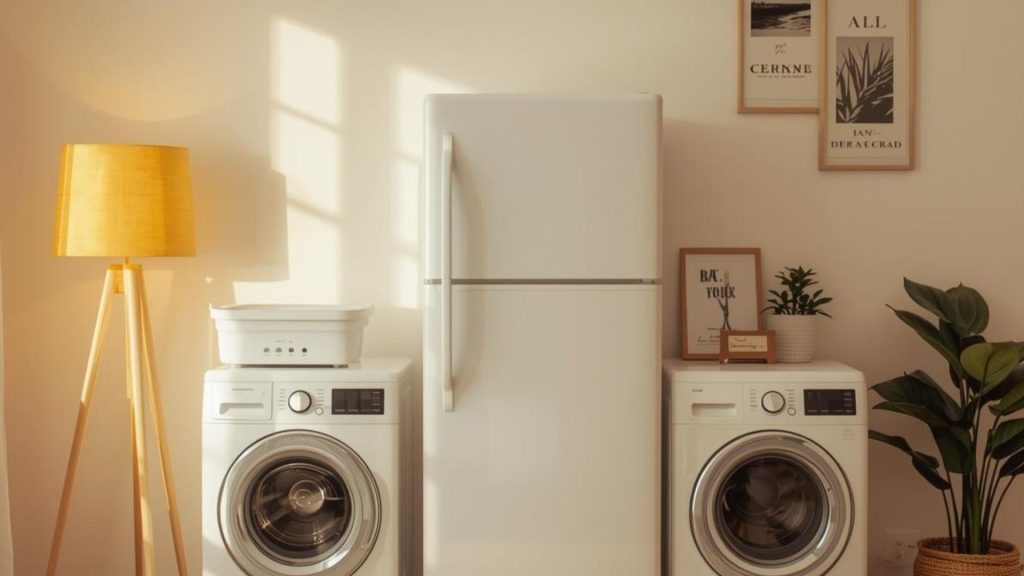
If there is one thing that unites every Nigerian household from Maiduguri to Lagos, it is the struggle with power. NEPA gives light for three hours, takes it for six, and your generator swallows petrol like a thirsty elephant. By the end of the month, you have spent more on fuel and diesel than you planned, and your electricity bill still shocks you when it arrives.
But what if your home appliances worked with your power situation instead of against it? What if your fridge, television, air conditioner, washing machine, and cooker consumed so little energy that running them on an inverter felt normal? That is not a distant dream. In 2026, energy-saving home appliances are more affordable, more available, and more necessary than ever before.
This guide is not a technical lecture filled with jargon you do not need. It is a practical breakdown of the five energy-saving appliances that will change how your home consumes power. We will talk about real Nigerian problems — high electricity tariffs, unreliable grid supply, expensive petrol, and the need to stretch every naira. And we will show you exactly which appliances solve those problems without forcing you to live like you are in the village.
Whether you live in a two-bedroom flat in Surulere, a duplex in Gwarinpa, or a family compound in Ogbomosho, these five appliances deserve a place in your home. Let us get into it.
Why Energy-Saving Appliances Matter More in Nigeria
Before we name the appliances, let us talk about why this conversation is urgent.
Nigeria’s electricity grid remains unstable. According to industry reports, the average Nigerian home experiences power outages multiple times daily. This forces families to rely on petrol generators, which now cost significantly more to fuel than they did five years ago. A home running a standard fridge, old CRT or plasma TV, non-inverter AC, and regular washing machine on a generator can easily burn through thirty to fifty thousand naira monthly in fuel alone.
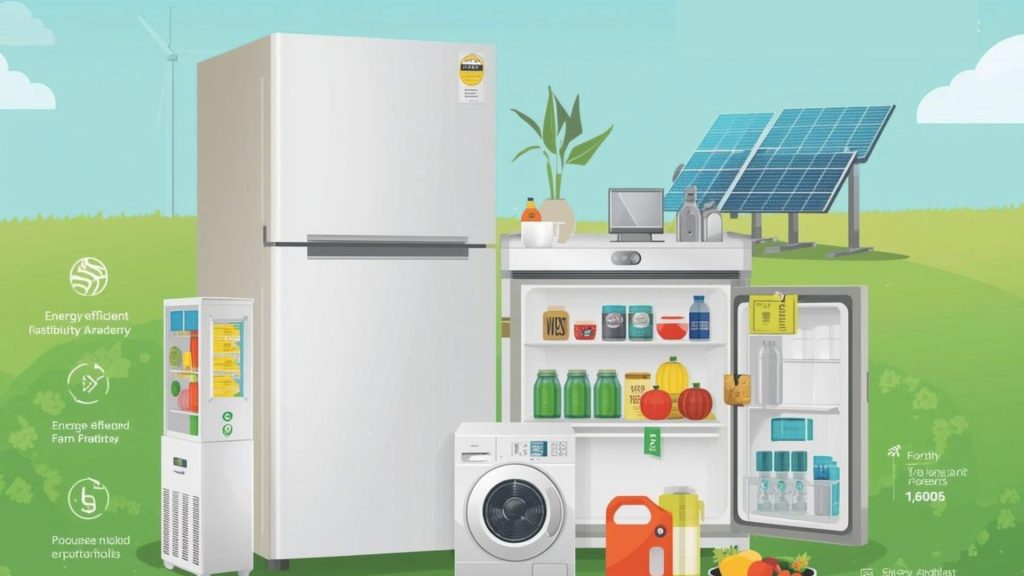
Energy-saving appliances change that equation entirely. Modern inverter technology allows appliances to adjust their motor speed based on demand rather than running at full power constantly. LED screens use a fraction of the power that old LCD and plasma screens consume. Efficient compressors in refrigerators cool faster while drawing less current.
The result? Your 1kVA or 2kVA inverter can handle more appliances simultaneously. Your generator runs for shorter periods. Your fuel budget shrinks. And when NEPA finally brings light, your meter does not spin like a ceiling fan.
In a country where the cost of living keeps rising, energy efficiency is not a luxury. It is survival.
Appliance 1: Inverter Refrigerator
Appliance 2: LED Smart TV

Television is the heart of the Nigerian parlour. From Premier League matches to Africa Magic and CNN, we watch a lot of TV. But if you are still using a plasma TV or one of those bulky old LCD models, you are burning money every time you press the power button.
LED televisions changed the game. Unlike plasma screens that heated up like electric cookers, LED backlighting is cool, bright, and incredibly efficient. A modern 43-inch LED smart TV uses roughly 50 to 70 watts. A 32-inch model can run on as little as 30 watts. Compare that to an old plasma TV of the same size, which could easily consume 300 to 400 watts, and the difference is staggering.
For families running on solar inverters or small generators, this matters immensely. You can watch a 43-inch LED TV for five hours on a basic 1kVA inverter without stressing the battery. Try that with a plasma screen and your inverter will start beeping within an hour.
Smart features add another layer of efficiency. Built-in Wi-Fi means you do not need to power a separate decoder box or media player for YouTube and Netflix. One device does it all. And because modern smart TVs have ambient light sensors and energy-saving modes, they automatically dim the screen when the room is dark, saving even more power.
Brands like Hisense, LG, and Samsung dominate the Nigerian LED TV market for good reason. They offer reliable after-sales service, spare parts availability, and models that fit every budget. A 43-inch or 50-inch 4K LED smart TV is the ideal size for most Nigerian living rooms, offering the perfect balance of screen real estate and power efficiency.
If you have not upgraded your television in the last five years, make this the year you do. The fuel savings alone will surprise you.
Appliance 3: Inverter Air Conditioner
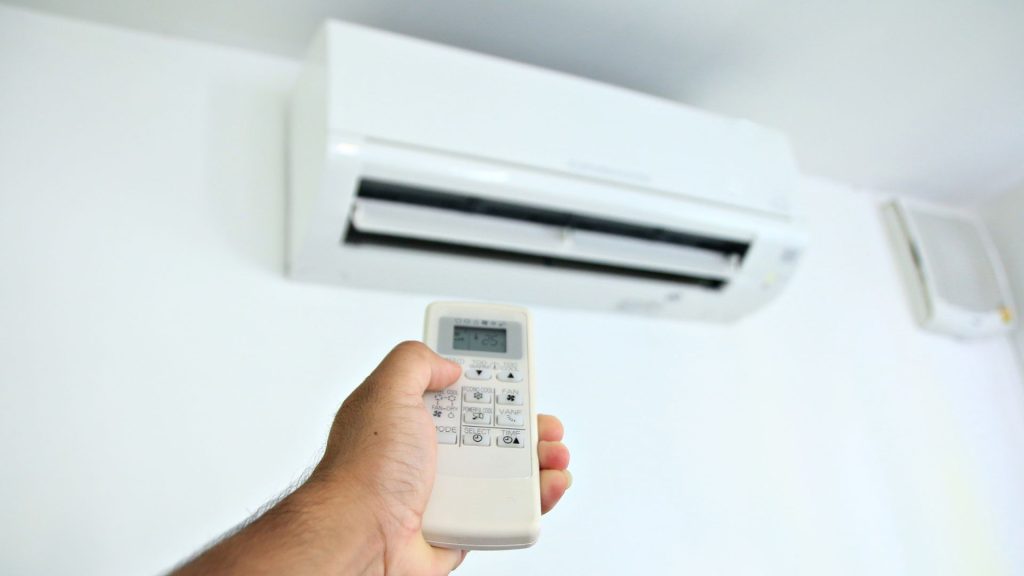
Nigerian heat is no joke. From the dry season harmattan dust to the relentless humidity of the rainy season, there are months when sleeping without cooling feels impossible. But traditional air conditioners are power monsters. A standard 1.5HP AC can draw over 1,500 watts, making it impossible to run on a small inverter and expensive to power with a generator.
Inverter air conditioners solve this problem brilliantly.
Instead of the compressor running at full blast until the room is cold, then shutting off completely, only to roar back to life ten minutes later, inverter ACs run continuously at variable speeds. They maintain a steady temperature using far less energy. Once the room reaches your desired coolness, the compressor slows to a whisper, sipping power instead of gulping it.
A 1.5HP inverter AC typically uses between 800 to 1,200 watts during normal operation, and far less once the room is cool. That difference means you can finally sleep through the night on inverter power without the battery dying at 2 a.m.
For Nigerian homes, this is revolutionary. Parents can keep the children’s room cool during hot nights. Elderly family members no longer suffer through heat waves. And you do not have to choose between comfort and bankruptcy.
When buying, look for the Energy Efficiency Ratio rating. A higher EER means better efficiency. Brands like LG, Samsung, Haier Thermocool, and Hisense offer reliable inverter ACs with local warranty support. A 1HP unit is sufficient for a small bedroom, while a 1.5HP or 2HP unit handles larger parlours.
Yes, inverter ACs cost more upfront than conventional units. But in a country where petrol prices keep climbing, the savings on fuel and generator maintenance recover that extra cost within the first year of use.
Appliance 4: Automatic Washing Machine
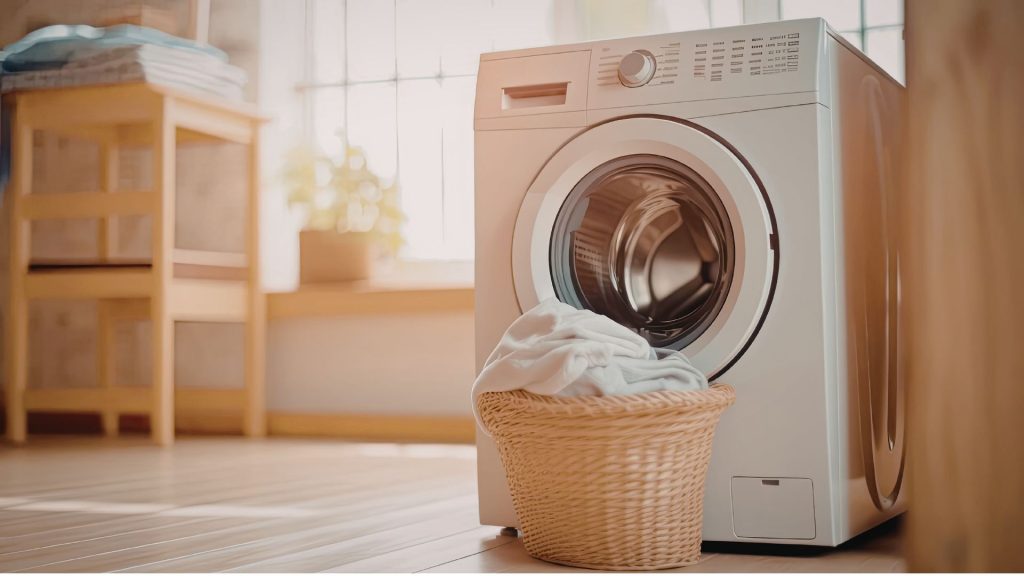
Washing clothes by hand is the norm in many Nigerian homes, but it is exhausting, time-consuming, and surprisingly wasteful. A semi-automatic washing machine helps, but it still requires manual intervention and often uses more water and power than necessary.
A fully automatic washing machine, especially one with inverter technology, changes the laundry experience entirely. These machines sense the weight of your clothes and use only the exact amount of water needed. They adjust spin speeds and cycle lengths based on fabric type. And because the motor runs efficiently without the start-stop jerking of older machines, power consumption stays low.
For a typical Nigerian family doing laundry twice a week, an automatic washing machine frees up hours of manual labour while using less water than hand washing. In cities where water is bought by the drum or pumped with electric pumps, saving water indirectly saves power too.
Top-load automatic washers are particularly popular in Nigeria because they are easier to load without bending, they handle larger items like duvets and curtains better, and they are generally more affordable than front-load models. Brands like LG, Samsung, Hisense, and Scanfrost offer reliable automatic washers with capacities ranging from 6kg to 12kg.
A 7kg to 8kg machine is ideal for a family of four. It handles a reasonable load without being so large that it wastes water on small washes. Look for models with quick wash cycles, which clean lightly soiled clothes in under thirty minutes using minimal power.
If you currently pay someone to wash your clothes or spend your weekends scrubbing at the tap, an automatic washing machine pays for itself in saved time, saved water, and saved energy.
Appliance 5: Energy-Efficient Cooker
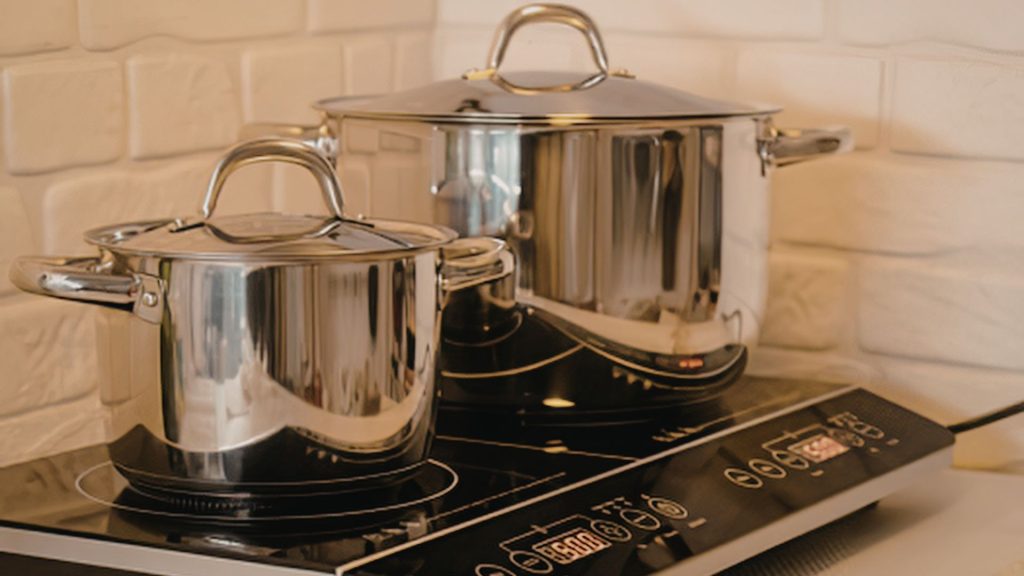
Cooking is where Nigerian households spend a significant portion of their monthly budget. Between gas cylinders, kerosene, or electricity for hot plates, the kitchen is an energy battlefield. An inefficient cooker makes this worse by wasting heat, taking longer to boil water, and consuming more fuel per meal.
Energy-efficient cookers, whether gas or electric, are designed to direct heat precisely where it is needed. Standing gas cookers with double-ring burners distribute flame evenly across the base of your pot, so food cooks faster with less gas. Electric induction cookers heat the pot directly instead of heating the air around it, making them incredibly efficient — though they require stable electricity or a strong inverter.
For most Nigerian homes, a high-quality standing gas cooker with two to four burners and an oven remains the most practical choice. Gas is currently more cost-effective per unit of cooking energy than electricity in most parts of Nigeria. A well-built cooker with efficient burners can stretch a 12.5kg gas cylinder from three weeks to five weeks of regular family cooking.
When shopping, check the burner design. Cast iron burners with precise flame control last longer and cook more evenly than cheap aluminium alternatives. An electric ignition system saves you the cost and hassle of buying matches or lighters constantly. And if you bake or roast, an oven with proper insulation retains heat better, using less gas to maintain temperature.
Some modern cookers also come with safety features like automatic gas cut-off if the flame goes out. In Nigerian homes where children sometimes run through the kitchen, this feature is worth every extra naira.
If your current cooker is over ten years old, the burners are likely corroded and inefficient. Upgrading to a modern energy-efficient model will noticeably reduce how often you visit the gas refill station.
What to Look for When Buying Energy-Saving Appliances in Nigeria
Not every appliance with a shiny sticker is truly energy efficient. Nigerian markets are flooded with counterfeit and grey-market goods. Here is how to protect yourself.
Check for inverter branding — Genuine inverter refrigerators and ACs will have the word “Inverter” clearly printed on the body or displayed on the spec sheet. If the seller is vague or says “it is like inverter,” walk away.
Look for energy ratings — Many reputable brands now include energy efficiency labels showing estimated yearly consumption. The lower the kilowatt-hour number, the better.
Verify the warranty — Real energy-saving appliances come with manufacturer warranties of at least one year, with authorized service centres in Lagos, Abuja, Port Harcourt, or your nearest major city. Ask for the warranty card and confirm it is stamped.
Buy from trusted sellers — Alaba International Market and Computer Village offer great prices, but only buy from dealers who provide receipts and after-sales support. Online stores are convenient, but ensure they have a physical address and return policy.
Match capacity to your need — A 500-litre fridge for a bachelor is wasteful. A 100-litre fridge for a family of six is overworked and inefficient. Buy the right size for your household.
Consider your power setup — If you run on a 1kVA inverter, do not buy a 2HP AC. Calculate your total home load and ensure your new appliance fits within it.
Common Mistakes Nigerians Make with Energy-Saving Appliances
Even with the right appliances, poor habits waste power. Avoid these mistakes.
Mistake 1: Blocking ventilation
Placing your fridge directly against the wall or covering your AC’s outdoor unit reduces efficiency and can damage the compressor. Leave space for airflow.
Mistake 2: Overloading the inverter
Running a 1.5HP AC, fridge, TV, and washing machine simultaneously on a 1.5kVA inverter will trip the system. Know your inverter’s capacity and stagger usage.
Mistake 3: Ignoring maintenance
Dirty AC filters, dusty fridge coils, and clogged cooker burners force appliances to work harder. Clean them regularly.
Mistake 4: Setting temperatures too extreme
Your fridge does not need to be arctic cold. Your AC does not need to feel like Europe. Moderate settings save massive amounts of energy.
Mistake 5: Buying fake products
That “Samsung” fridge sold for half price at a roadside stall is probably refurbished or fake. It will consume more power than a genuine model and break down within months.
Pay Small Small: Making Energy Efficiency Affordable

Here is the reality: energy-saving appliances cost more upfront than their inefficient counterparts. An inverter fridge might cost fifty thousand naira more than a conventional one. An inverter AC carries a premium of thirty to sixty thousand naira. For many Nigerian families, that upfront cost is the barrier.
But paying small small removes that barrier.
Instead of waiting six months to save enough cash, you can take home your inverter refrigerator, LED TV, or automatic washing machine today and pay in comfortable daily, weekly, or monthly instalments. Your fuel savings start immediately. Your comfort improves immediately. And because you are spreading the cost, your monthly budget barely feels the impact.
Think about it this way: every month you delay upgrading, you are throwing money away on generator fuel and NEPA bills that a more efficient appliance would have reduced. The sooner you switch, the sooner you save.
We deliver to every state in Nigeria. Whether you are in Uyo, Sokoto, Benin, or Jos, your appliances will reach you. And with our pay small small plan, you choose the payment schedule that matches your income flow.
Final Thoughts: Invest in Efficiency, Reap the Savings
Nigeria’s power situation is not changing overnight. While we all hope for a stable grid in the future, the present demands smart decisions. Energy-saving appliances are not just about being environmentally friendly — though that is a nice bonus. They are about surviving and thriving in a country where every watt and every litre of petrol counts.
An inverter refrigerator keeps your food fresh without draining your inverter. An LED TV entertains your family for hours on minimal power. An inverter AC lets you sleep in comfort without bankrupting you. An automatic washing machine gives you back your weekends. And an efficient cooker stretches your gas cylinder further than you thought possible.
These five appliances are not luxuries. In 2026, they are essentials for any Nigerian family that wants to live comfortably while keeping costs under control.
Measure your space. Check your power capacity. Choose trusted brands. And start your upgrade today.
Ready to cut your power bills and upgrade your home?
Browse our full collection of inverter refrigerators, LED smart TVs, inverter air conditioners, automatic washing machines, and energy-efficient cookers. Pay small small with daily, weekly, or monthly plans. We deliver to all 36 states in Nigeria.
[Shop Energy-Saving Appliances Now]
