


There is a particular kind of heat that descends on Nigeria between November and April. It is the dry season, the harmattan haze, and the months when the sun feels like it is sitting directly on your roof. In Lagos, the humidity wraps around you like a wet blanket. In Kano and Maiduguri, the dry air burns your skin by midday. And in every corner of the country, your refrigerator is fighting a silent war against this heat.
Your fridge was not designed to battle forty-degree temperatures daily. It was built for moderate climates where the ambient temperature stays reasonable. But here in Nigeria, your refrigerator works overtime from January through March, sucking power, struggling to keep cool, and silently begging for relief. If you ignore it during these months, the consequences arrive quickly. Your vegetables wilt within two days. Your meat starts smelling by evening. Your electricity bill climbs higher than the temperature outside. And worst of all, your compressor gives up entirely, leaving you with a dead fridge and a repair bill you did not plan for.
But this does not have to be your story. Maintaining your refrigerator during Nigeria’s hot season is not complicated. It does not require engineering knowledge or expensive tools. It requires awareness, consistency, and a few habits that take minutes but save you thousands of naira in repairs, food waste, and fuel costs.
In this guide, we will walk you through exactly how to keep your refrigerator running smoothly when the Nigerian heat is at its peak. No generic advice copied from overseas blogs. Just practical, tested tips that work in our reality of unstable power, generator dependence, and tropical temperatures that refuse to compromise.
Why Hot Season Hits Your Fridge Harder Than You Realize
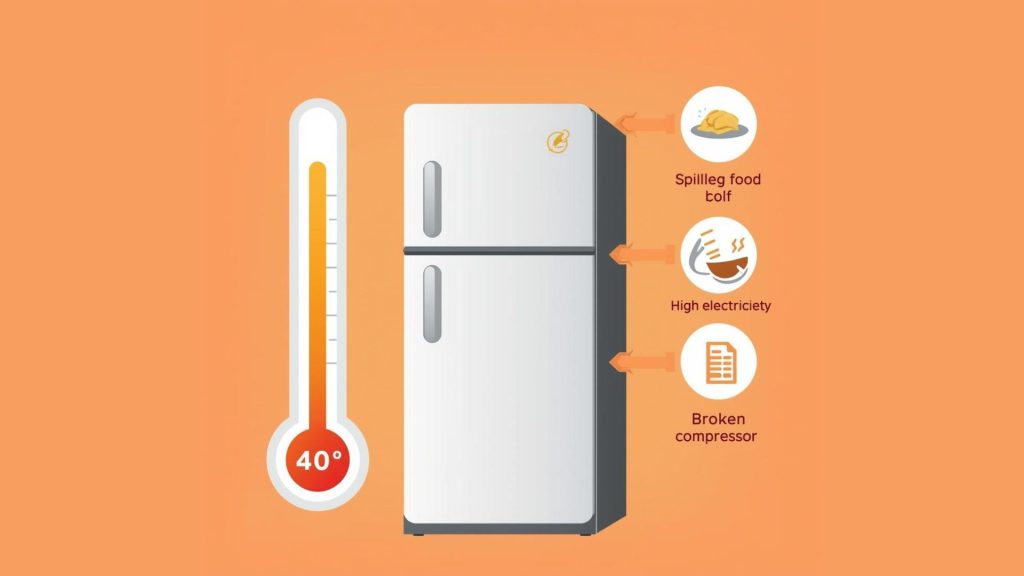
To understand why maintenance matters now, you need to understand what heat does to your refrigerator.
A refrigerator does not create cold air. It removes heat from inside the compartment and pushes it outside through the condenser coils at the back or bottom. The hotter the air around your fridge, the harder the compressor must work to push that heat out. In a cool room, your compressor might run for ten minutes and rest for twenty. In a hot Nigerian parlour or kitchen, it runs for twenty minutes and rests for five. That extra strain wears down the motor, increases power consumption, and shortens the lifespan of the entire unit.
During the dry season, ambient temperatures in many Nigerian homes climb well above 30 degrees Celsius. Kitchens with poor ventilation or those facing direct afternoon sun can reach 35 to 40 degrees inside. At these temperatures, your refrigerator’s efficiency drops by 20 to 30 percent. It uses more electricity to achieve less cooling. The thermostat stays triggered longer. The compressor overheats. And if the heat is extreme enough, the compressor can fail completely, requiring replacement or a new fridge altogether.
The hot season also brings more frequent power outages in some areas as the grid struggles with demand. When NEPA takes light and your generator is not immediately available, the internal temperature of your fridge spikes faster in hot weather. Food that might have stayed safe for four hours in cool weather spoils in two hours during a Lagos afternoon.
This is why maintenance is not optional during the hot months. It is survival for your appliance and your grocery budget.
Keep Your Fridge Away from Heat Sources
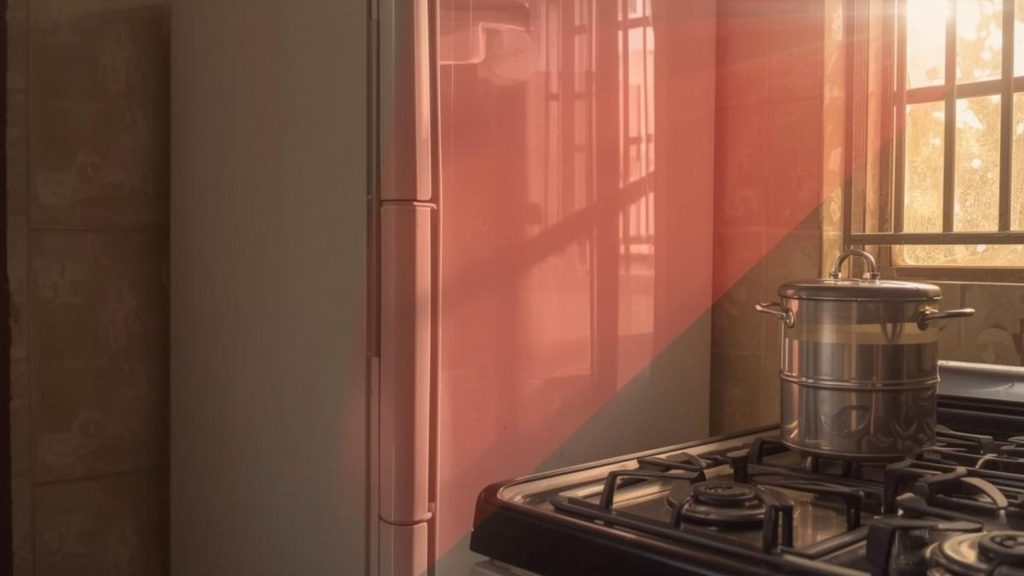
This sounds obvious, but walk into any Nigerian kitchen and you will see the same mistake repeated everywhere. The refrigerator is squeezed between the gas cooker and the wall. Or it is standing directly in front of a window where afternoon sun blasts the side panel for four hours straight. Or it is tucked into a tight corner with no space to breathe.
Your refrigerator needs to be in the coolest spot in your kitchen or parlour. Not the most convenient spot. The coolest spot.
If your kitchen gets direct sunlight in the afternoon, move the fridge to the opposite wall. If your kitchen is too small and the only available space is next to the cooker, create a barrier. A simple plywood partition or even a heat-resistant mat between the cooker and the fridge side panel makes a measurable difference. The heat radiating from a lit gas burner can raise the temperature of your fridge’s exterior by 10 degrees or more, forcing the compressor into overdrive.
In many Nigerian homes, the refrigerator lives in the parlour because the kitchen is too small or too hot. If this is your situation, place it away from the television, home theatre speakers, and any other appliance that generates heat. Keep it out of direct sunlight from windows. And if your parlour faces west and catches the brutal afternoon sun, consider drawing the curtains during those hours.
The ideal placement is against an interior wall, at least 10 centimetres away from the wall behind it, and with at least 5 centimetres of clearance on both sides. This allows air to circulate around the condenser coils and carry heat away efficiently. A fridge crammed into a tight corner with its back pressed against the wall is essentially suffocating.
If you live in a face-me-I-face-you or self-contained apartment where space is limited, do what you can. Even moving the fridge 30 centimetres away from the cooker or window will reduce its workload and your electricity bill.
Clean the Condenser Coils Every Two Months
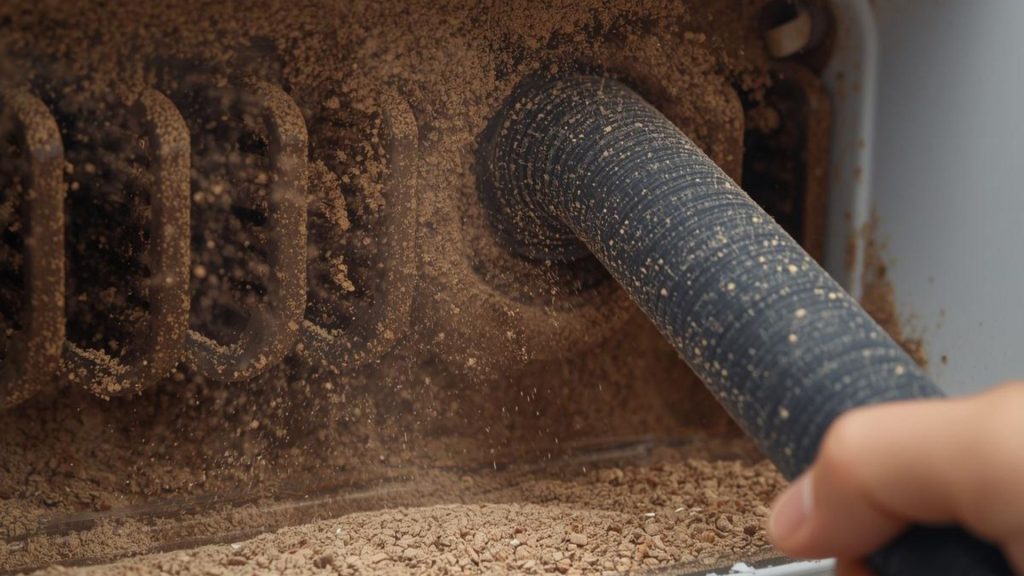
This is the single most important maintenance task that almost every Nigerian ignores. The condenser coils are the black radiator-like tubes at the back or bottom of your refrigerator. Their job is to release the heat that the compressor pulls from inside the fridge. When these coils are coated in dust, pet hair, and kitchen grease, they cannot release heat properly. The heat gets trapped. The compressor works harder and longer. Power consumption spikes. And eventually, the compressor burns out.
In Nigeria, dust is everywhere. Harmattan dust seeps through windows. Road dust from unpaved streets coats everything. And in many homes, the refrigerator sits near the floor where dust accumulates fastest. Within two months, your condenser coils can be covered in a thick blanket of dust that acts like insulation, trapping heat exactly where it needs to escape.
Cleaning the coils is simple. Unplug the fridge. If the coils are at the back, use a vacuum cleaner with a brush attachment to gently suck the dust away. If the coils are underneath, remove the front grill at the bottom and vacuum from there. A long-handled coil brush, available at most hardware stores for under two thousand naira, reaches deep between the tubes where the vacuum cannot go.
Do this every two months during the hot season. Every three months during the rainy season when dust is less severe. It takes ten minutes. It costs nothing. And it can add years to your refrigerator’s life while reducing your monthly power consumption by 10 to 15 percent.
If you have never cleaned your condenser coils, do it this weekend. You will be shocked by how much dust comes out, and you will notice your fridge running quieter within hours.
Check and Replace the Door Seals
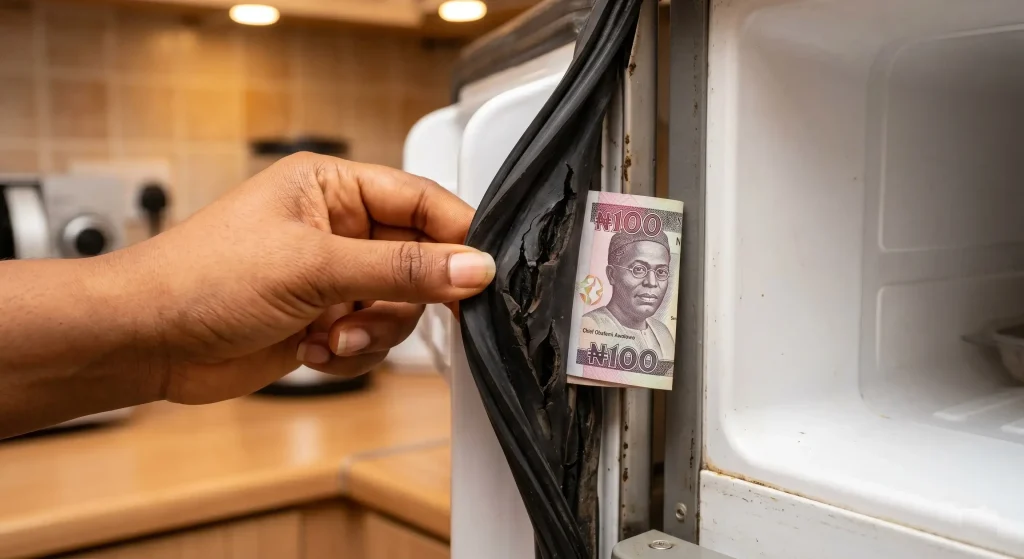
The rubber gasket around your refrigerator door is your first line of defence against Nigerian heat. When you close the door, this seal creates an airtight barrier that keeps cold air inside and hot air outside. But over time, rubber gaskets dry out, crack, and lose their elasticity. In Nigeria’s heat, this happens faster than in cooler climates.
A damaged seal is easy to spot. Look for visible cracks, tears, or areas where the rubber has flattened and no longer bulges outward. You can also perform the paper test. Close the door on a thin piece of paper or a thousand naira note. If you can pull the paper out easily without resistance, the seal is leaking air.
When the seal is compromised, every time the compressor cools the interior, the cold air slips out through the gaps and warm air rushes in to replace it. The thermostat senses the temperature rise and triggers the compressor again. In extreme cases, a bad seal can make your compressor run almost continuously, burning electricity and wearing out the motor.
Replacing a door seal is affordable. Universal refrigerator door gaskets cost between three thousand and eight thousand naira depending on your fridge size. You can order them online or from spare parts dealers at Alaba, Computer Village, or your local electronics market. Installation is straightforward — most gaskets simply push into a groove around the door frame. No tools required beyond a flat screwdriver to help seat the rubber properly.
If your seal is dirty but not damaged, clean it first. Mix warm water with a little detergent and wipe the gasket thoroughly, especially the folds where mould and food particles hide. A clean seal compresses better and creates a tighter closure.
During the hot season, inspect your door seals monthly. The heat makes rubber degrade faster, and a small crack today becomes a major leak within weeks.
Do Not Overstuff or Understock Your Fridge
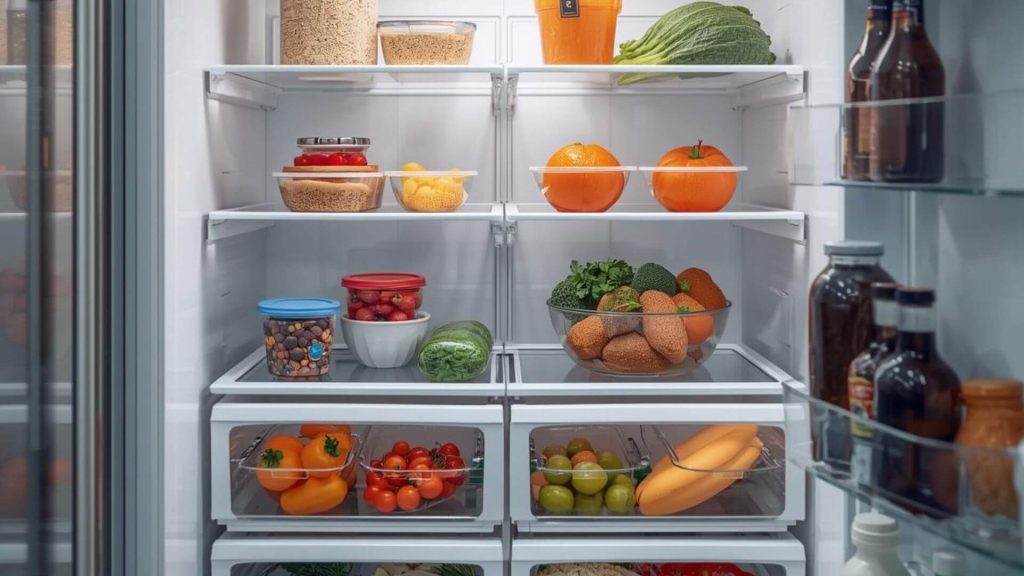
Nigerians love to stock up. When there is light, you fill the fridge with soup bowls, stew pots, drinks, and leftover jollof rice. When there is a power outage, you panic and cram even more inside, hoping everything stays cold. But there is a right way to fill a refrigerator, and most of us are doing it wrong.
When you overstuff your fridge, you block the air vents that circulate cold air from the evaporator fan. Cold air gets trapped in one corner while other areas stay warm. The thermostat, located in one section, thinks the whole fridge is cold and stops the compressor. Meanwhile, your meat in the back corner is slowly warming up and spoiling. When you eventually discover the problem, the compressor has to run overtime to recover the lost temperature, using more power and stressing the system.
On the opposite end, an almost empty fridge is also inefficient. Every time you open the door, a large volume of cold air falls out and warm air rushes in. With no food mass to absorb and hold the cold temperature, the interior warms up instantly. The compressor kicks in again. If you live alone or have a small family and your fridge is usually half-empty, fill the empty spaces with bottles of water. The water acts as thermal mass, holding cold temperature and reducing temperature swings when the door opens.
The ideal fill level is about 70 to 80 percent full. Leave gaps between containers so air can flow freely. Do not push food against the back wall where it can block vents. Store raw meat and fish on the bottom shelf where it is coldest. Keep vegetables in the crisper drawer. And never put hot food directly into the fridge. Let that pot of soup cool on the counter for 30 minutes first. Putting hot food inside raises the internal temperature and forces the compressor to work extra hard to compensate.
During the hot season, be especially mindful of door opening frequency. Every time you open the fridge in a 35-degree room, you are inviting a wave of hot air inside. Decide what you need before you open the door. Get in and get out quickly. Your compressor will thank you.
Set the Right Temperature for Nigerian Heat
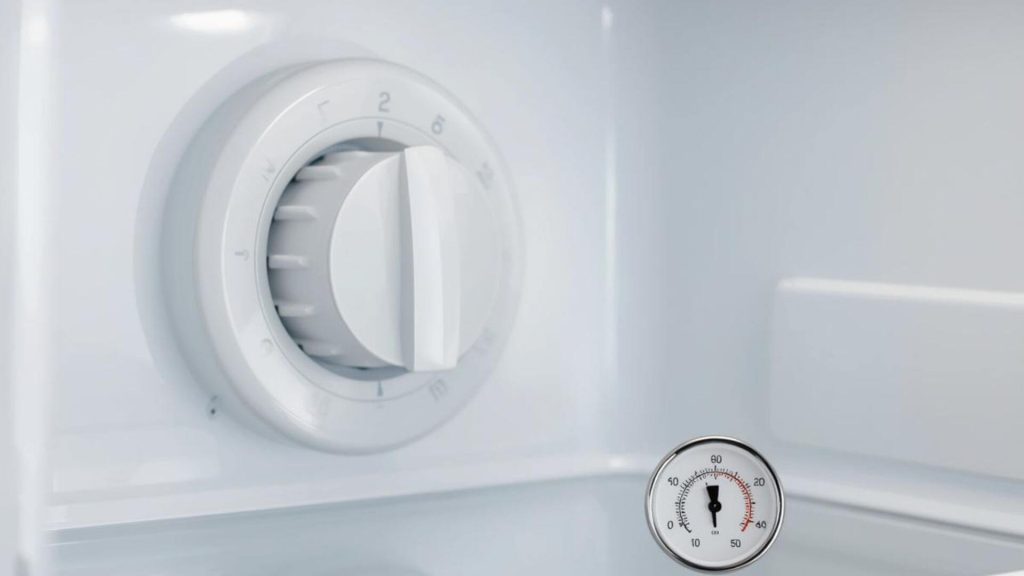
Many Nigerians believe that turning the thermostat to the coldest setting during hot weather is the right move. It is not. Setting your fridge to maximum cold does two harmful things: it wastes electricity and it can actually freeze items that should stay fresh, ruining vegetables and creating ice crystals in your meat.
The ideal refrigerator temperature is between 3 and 5 degrees Celsius. Your freezer should be at minus 18 degrees Celsius. At these temperatures, bacteria growth is slowed enough to keep food safe, but the compressor does not have to run at maximum capacity constantly.
If your fridge does not have a digital display, buy a small refrigerator thermometer. They cost less than one thousand naira at any supermarket or online store. Place it in the middle shelf and check it after the fridge has been closed for two hours. Adjust the thermostat dial gradually until you hit the sweet spot.
During the hot season, you might need to set the dial one notch colder than usual because the ambient heat makes the compressor work harder to reach the target temperature. But do not go beyond that one notch. Setting it to maximum cold will not make your fridge cool faster. It will only make the compressor run longer, using more power and generating more heat in the process.
If your fridge has a fast-cool or power-cool button, use it sparingly. It is designed for loading large amounts of groceries or recovering after a power outage. Leaving it on permanently is like driving your car in sport mode all day. It works, but it destroys the engine eventually.
Protect Your Fridge from Power Surges
If there is one thing more damaging to a refrigerator than heat, it is Nigeria’s unstable electricity supply. The voltage spikes when NEPA returns after an outage. The drop when your neighbour starts a heavy machine. The jolt when you switch from generator to grid power. All of these electrical events attack your refrigerator’s compressor, which is extremely sensitive to voltage changes.
A refrigerator compressor needs stable voltage to start and run properly. When voltage drops below 180 volts, the compressor struggles to start, overheats, and can burn out. When voltage spikes above 260 volts, the electrical components inside the compressor can fry instantly. In Nigeria, both scenarios happen regularly.
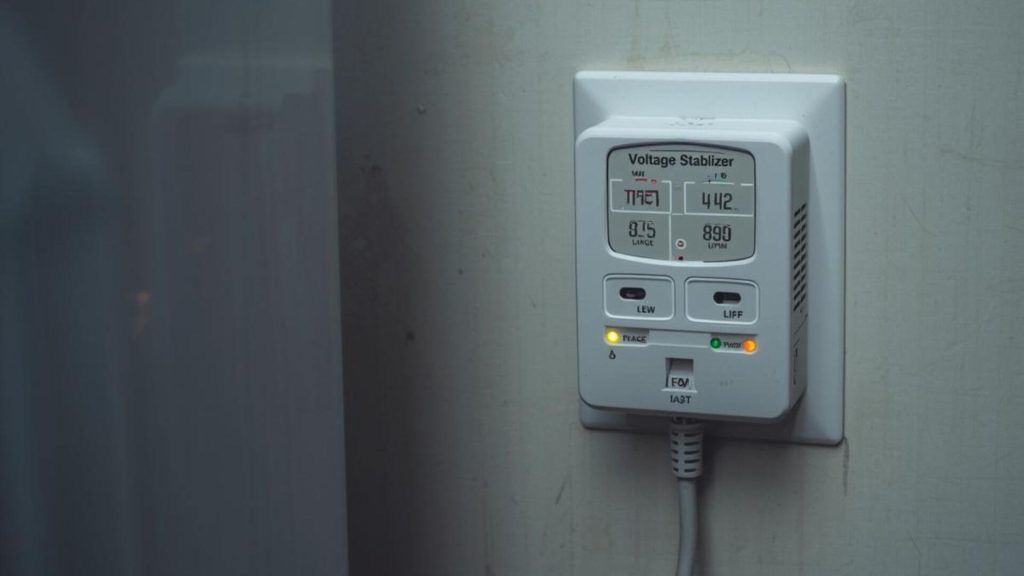
Every refrigerator in Nigeria should be connected to a voltage stabilizer. Not a power strip. Not an extension cord. A proper automatic voltage regulator or stabilizer designed for refrigerators. These devices monitor the incoming voltage and adjust it to a safe, steady level before it reaches your fridge. When NEPA brings light with a violent surge, the stabilizer absorbs the shock. When the voltage sags, the stabilizer boosts it to keep your compressor running smoothly.
A good stabilizer for a single-door or double-door fridge costs between eight thousand and fifteen thousand naira. That is less than half the cost of replacing a compressor, which can run between thirty and fifty thousand naira plus labour. It is the cheapest insurance you will ever buy.
During the hot season, power demand is higher, which means the grid is more unstable than usual. Voltage fluctuations are more frequent and more severe. If you do not already have a stabilizer, buy one this week. If you have one but it is more than five years old, test it or replace it. Older stabilizers lose their ability to regulate voltage accurately and can give you a false sense of security.
Also, develop the habit of waiting five minutes after NEPA returns before switching your fridge back on. When power is restored after an outage, the pressure inside the compressor is unbalanced. Starting it immediately can damage the motor. That five-minute wait allows the pressure to equalise and protects the compressor from mechanical stress.
Defrost Regularly If You Have a Manual Defrost Fridge
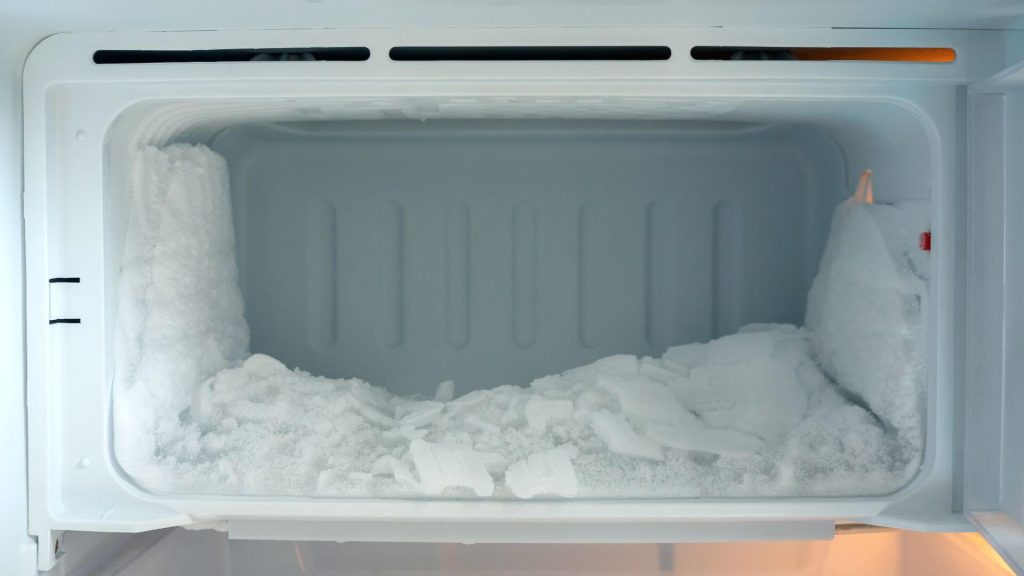
Many Nigerian homes still use refrigerators without automatic defrost systems. These manual defrost fridges are affordable and durable, but they require regular attention. When frost builds up on the freezer walls, it acts like a blanket of insulation between the cooling coils and your food. The compressor runs longer and harder to push cold through the ice layer, wasting power and reducing cooling performance.
During the hot season, frost accumulates faster because the compressor runs more frequently, creating more moisture that freezes on the coils. If the ice layer grows thicker than five millimetres, it is time to defrost.
To defrost properly, remove all food and store it in a cooler with ice blocks or in a neighbour’s fridge if possible. Unplug the unit and leave the freezer door open. Place towels at the base to catch melting water. Never use a knife or sharp object to chip away ice — you can puncture the cooling lines and destroy the fridge permanently. If you need to speed up the process, place a bowl of warm water inside the freezer compartment and close the door for ten minutes. The steam loosens the ice.
Once defrosted, wipe the interior dry before plugging the fridge back in. During the hot season, aim to defrost every two weeks. In cooler months, once a month is sufficient.
If you are buying a new fridge and your budget allows, consider a frost-free model. These units have built-in heating elements that melt frost automatically, saving you the manual labour and maintaining consistent efficiency year-round.
Common Mistakes Nigerians Make with Refrigerators in Hot Weather
Even with the best intentions, certain habits destroy fridges during the hot season. Avoid these at all costs.
Mistake 1: Leaving the door open while cooking
Many Nigerian kitchens are small, and the fridge door stays open while the cook reaches for ingredients repeatedly. Every second the door is open, hot kitchen air floods inside. Decide what you need, open the door once, take everything, and close it.
Mistake 2: Covering the fridge with cloth or plastic
Some people cover their refrigerator with lace cloth or plastic sheets to “protect” it from dust. This traps heat around the unit and suffocates the condenser coils. If you must cover it, use a breathable mesh that allows airflow, and never cover the sides or back.
Mistake 3: Ignoring strange noises
If your fridge starts making loud humming, clicking, or buzzing sounds during the hot season, do not ignore it. These are early warnings of compressor strain, fan blockage, or refrigerant issues. Call a technician before a small problem becomes a total breakdown.
Mistake 4: Using the fridge to cool the room
Some people open the freezer door hoping to cool down a hot room. This does not work. It only wastes electricity, overloads the compressor, and damages the cooling system. Buy a fan or an air conditioner instead.
Mistake 5: Buying a used fridge without checking the compressor
The second-hand fridge market in Nigeria is huge, but many used units have compressors that are already worn out. In hot weather, a weak compressor will fail within weeks. If you buy used, have a technician test the compressor amp draw and cooling performance before you pay.
When to Call a Technician
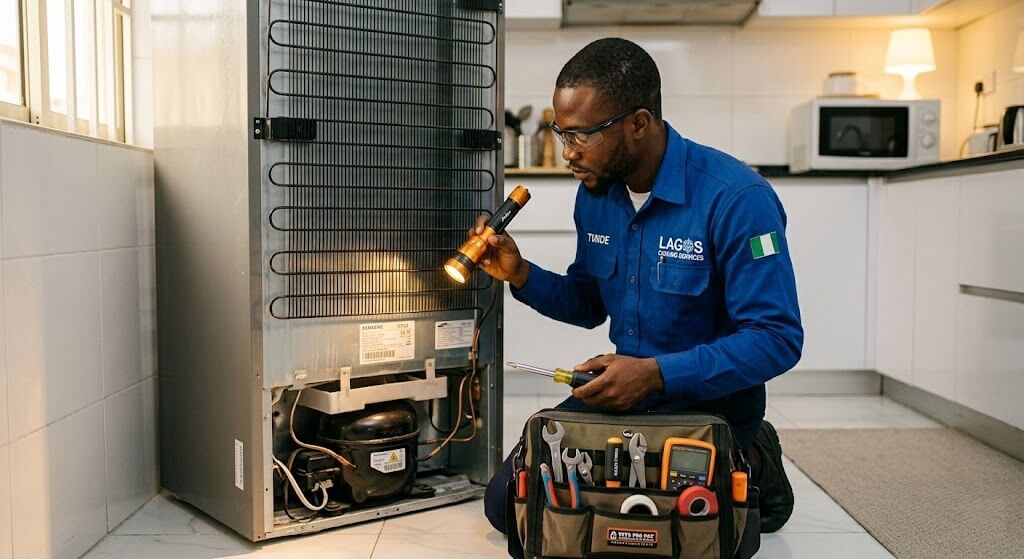
Not every problem can be solved with maintenance. Sometimes you need a professional. Call a technician immediately if you notice any of the following:
- The fridge is running constantly but the interior is not cold
- You hear loud clicking sounds from the back every few minutes
- Water is pooling under the fridge or inside the vegetable drawer
- The sides of the fridge feel extremely hot to the touch
- There is a chemical smell or oil leaking from the back
- The compressor starts and stops rapidly in short cycles
These symptoms indicate compressor failure, refrigerant leaks, or thermostat problems. Continuing to run the fridge in this condition will make the repair more expensive or render the unit unfixable.
In Nigeria, find technicians who specialise in your fridge brand. LG, Samsung, and Hisense have authorised service centres in major cities. For other brands, ask for recommendations from trusted electronics dealers. Avoid roadside technicians who claim they can fix anything but have no proper tools or training. A bad repair job often costs more than buying a new fridge.
Pay Small Small: Replace Your Fridge Before It Dies

If your refrigerator is more than ten years old, no amount of maintenance will make it efficient during Nigerian heat. Old compressors, worn seals, and outdated cooling systems simply cannot compete with modern inverter technology. Every hot season you push that old unit through brings you closer to an emergency breakdown and a fridge full of spoiled food.
The smart move is to upgrade before disaster strikes.
Modern inverter refrigerators use up to 60 percent less electricity than conventional models. They cool faster, run quieter, and handle voltage fluctuations better. In a country where power is unpredictable and fuel is expensive, an inverter fridge is not a luxury. It is a necessity.
But we know that a quality inverter refrigerator represents a significant investment. That is why our pay small small plan exists. You do not need to save for six months while your old fridge wheezes through another hot season. You can choose a new Hisense, LG, or Samsung inverter refrigerator today and pay in comfortable daily, weekly, or monthly instalments.
We deliver to all 36 states in Nigeria. Whether you are in Ibadan, Enugu, Kaduna, or Calabar, your new refrigerator will reach you. And because we only stock genuine products with manufacturer warranties, you are protected against defects and compressor failure.
Do not let the next heat wave destroy your groceries and your budget. Upgrade now and enjoy reliable cooling all year round.
Final Thoughts: Beat the Heat, Protect Your Investment
Your refrigerator is one of the hardest-working appliances in your Nigerian home. It never sleeps. It battles heat, humidity, dust, and unstable power every single day. During the hot season, that battle intensifies. But with simple, consistent maintenance, you can tip the odds in your favour.
Keep it away from heat sources. Clean the coils. Check the seals. Fill it properly. Set the right temperature. Protect it from surges. And defrost when needed. These habits take minutes but save you thousands in repairs, food waste, and electricity costs.
The Nigerian heat is not going anywhere. But neither is your need for cold drinks, fresh vegetables, and safe meat. Take care of your refrigerator, and it will take care of your family through every hot season to come.
Is your refrigerator struggling in the heat?
Browse our collection of inverter refrigerators, energy-saving freezers, and reliable cooling appliances from top brands. Pay small small with daily, weekly, or monthly plans. We deliver to all states in Nigeria.
